 Loading... Please wait...

- Home
- Skin Type
- Lizard Skin
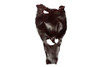
- Lizard Skin Iguana Glazed Oxblood 20/24 cm


)
Product Features
- Genuine iguana skin, exclusively from the invasive iguana populations in Florida
- Common name: green iguana
- Scientific name: iguana iguana
- Source: wild
- Country of origin: USA
- Range of 20-24 cm wide at the widest point
- Range of 17-19 cm long up the center
- 0.6/0.8 mm thickness
- Back Cut
- Bleached
- Grading is as follows:
- Grade 2 or better: small defect or cluster of defects around outer edge of belly, ideal for watchbands, footwear, wallets and other large accessories
- Grade 3 or better: small defect or cluster of defects in the center of the belly, ideal for belts, card cases, phone cases, holsters, sheaths and other small leather goods
A Leather With a Story—Born From the Wilds of Florida
Florida’s green iguanas might be unwelcome neighbors, but their hides are extraordinary. What began as an ecological challenge has become an opportunity to create something beautiful, functional, and sustainable. Instead of letting this invasive species go to waste, we transform each harvested iguana into a premium exotic leather—turning an environmental problem into a premium, responsible material for makers and designers.
Why Are Iguanas a Problem in Florida?
Florida’s green iguanas are not native to the state—they were introduced through the pet trade and have since exploded in population. With no natural predators and a warm climate perfectly suited to them, they’ve become one of Florida’s most disruptive invasive species. Here’s why they’re a serious problem:
1. They Cause Extensive Property Damage
Iguanas burrow aggressively, which undermines:
-
Seawalls
-
Sidewalks
-
Pool decks
-
Home foundations
-
Canal banks
Their burrows can collapse structures and create costly repair issues for homeowners and municipalities.
2. They Destroy Native Plants and Landscaping
Iguanas feed on flowers, fruit, and ornamentals, overwhelming gardens, parks, and residential landscaping. They also devastate sensitive native vegetation, competing with native wildlife for food.
3. They Harm Local Ecosystems
By feeding on native plants and displacing native animals, iguanas disrupt Florida's fragile ecosystems. Their population growth outpaces that of native species, throwing local ecological balance out of alignment.
4. They Pose Risks to Infrastructure and Public Areas
Iguanas often climb into and damage:
-
Electrical transformers
-
Airport runways
-
Public parks
-
Irrigation systems
They’ve even caused power outages by climbing into utility equipment.
5. They Can Spread Disease
Like many reptiles, iguanas can carry salmonella, posing a risk when they inhabit public spaces, docks, backyards, and pools.
6. They Reproduce Rapidly
A single female can lay 20–70 eggs per year, allowing populations to expand dramatically. This rapid reproduction makes management challenging and ongoing.
Turning a Problem Into Purpose
Because iguanas are invasive and harmful to Florida’s environment and infrastructure, state wildlife officials encourage humane removal. By transforming these sourced animals into leather, you help:
-
Reduce ecological pressure
-
Prevent waste
-
Support responsible wildlife management
-
Give value and purpose to a problem species
It’s an eco-positive alternative to other materials.
Why Iguana Leather?
-
Eco-Positive: Helps reduce ecological damage caused by invasive iguana populations
-
Surprisingly Durable: Thin enough to bend and turn, strong enough to stretch and pull without ripping
-
Conversation-Starting Material: Every piece has a story worth telling
-
 CITES and Livelihoods: Indonesian Reptile TradeThis short film showcases how well-regulated trade in CITES-li...

Related Products
-
 $47.52
 Choose Options Compare
 -
 $39.60
Choose Options Compare
$39.60
Choose Options Compare -
 $26.50
Choose Options Compare
$26.50
Choose Options Compare -
 $26.50
Choose Options Compare
$26.50
Choose Options Compare -
 $26.50
Choose Options Compare
$26.50
Choose Options Compare